
The Risks of Delaying Tree Removal on Your Property
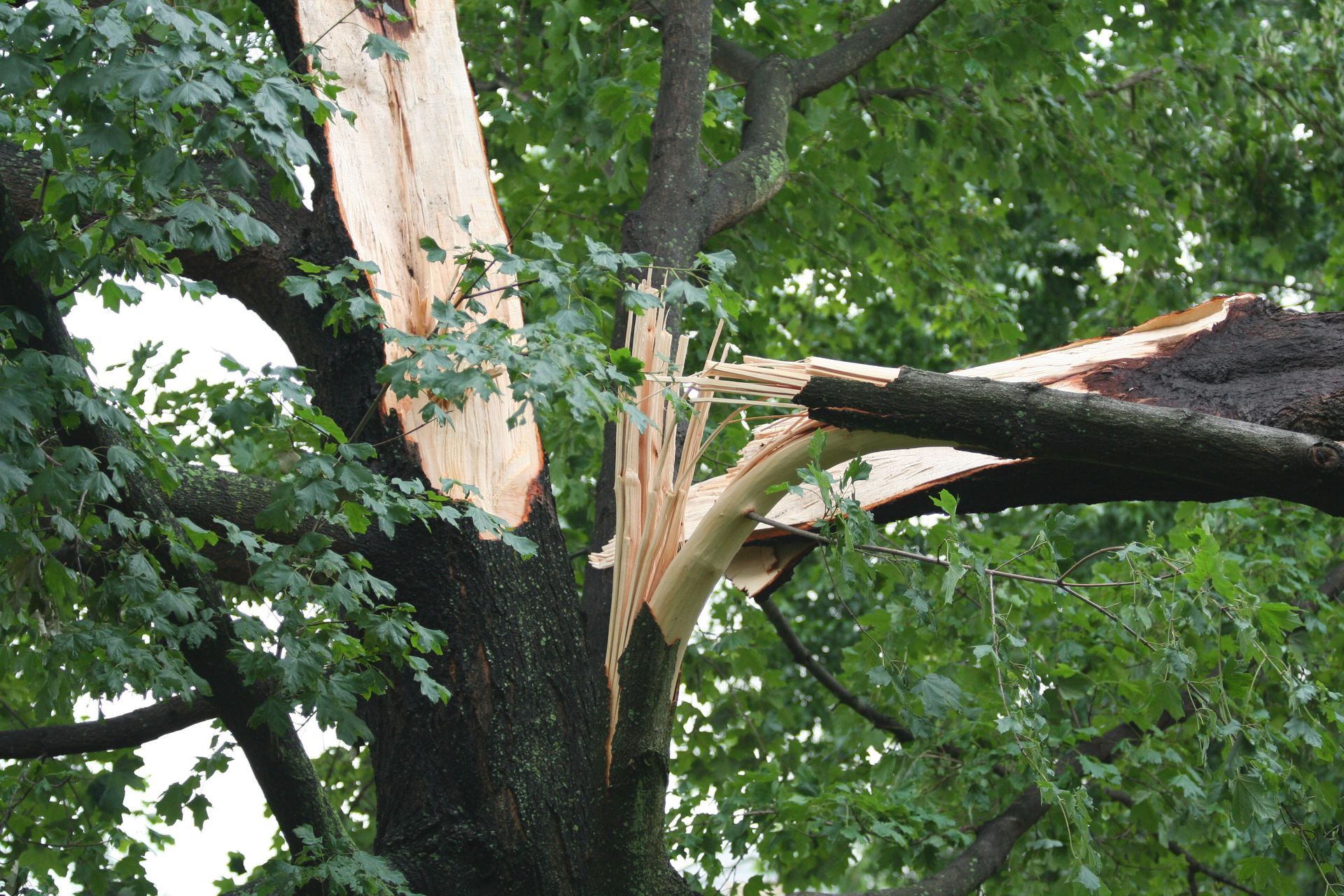
The decision to delay removing a potentially hazardous tree from your property can have significant consequences. Whether for safety, aesthetic appeal, or environmental health, addressing tree issues promptly with a professional tree removal company is crucial. To illustrate the importance, consider a case where a large oak tree fell unexpectedly, causing major damage to a home and resulting in significant expenses for the owner. Such incidents are not isolated, and they reinforce the urgent need for proactive tree management. Here, we'll delve into the various risks associated with neglecting tree removal, highlighting why timely intervention and help from a professional tree removal company are essential.
1. Structural Damage to Property
One of the most immediate concerns of delaying tree removal is the potential for structural damage to your property. For example, overhanging branches can threaten roofs, leading to leaks and structural instability. Regular maintenance and removal of hazardous trees can prevent costly repairs and protect your home from severe damage. Moreover, roots growing near or under your foundation can disrupt the structural integrity of your home over time. By removing trees at the right time, you can avoid these issues and maintain the value of your property.
Strikingly, unattended trees can also pose a severe risk to power lines. Falling branches during storms can lead to power outages and dangerous electrical situations, making proactive tree care crucial. Not only does this cause inconvenience, but it can also incur additional repair costs from utility services. Beyond this, driveways and sidewalks can become uneven and cracked due to invasive root growth. Unfortunately, this damage often goes unnoticed until significant repair is needed, underscoring the importance of proper tree maintenance.
Lastly, trees located too close to homes can create hazards from broken windows and damaged walls. High winds or storms can cause heavy branches to crash through windows, posing threats to safety and security. Maintenance and assessment can predict potential risk areas, allowing for preemptive action. By ensuring trees are adequately distanced from structures, homeowners can mitigate damage risks significantly. Consequently, timely removal of hazardous trees is crucial not just for convenience but also for the protection of property and occupants.
2. Increased Risk of Personal Injury
Delaying tree removal can greatly enhance the risk of personal injury. Falling branches, often caused by storms or decay, are a prevalent threat to anyone on the property. Ensuring the timely removal of such trees helps mitigate these risks effectively. As branches fall, serious injuries or even fatalities can occur, especially if heavy branches land on unsuspecting individuals. Therefore, regular assessment by professionals can identify weak branches, allowing for timely pruning or removal.
Tripping hazards are another concern that arises from fallen branches, roots, or debris around a neglected tree. These elements can significantly impede movement and pose severe risks. For families with children or elderly individuals, such hazards are particularly concerning. Ensuring tree removal is done promptly ensures the safety of all property occupants. By maintaining a clean and hazard-free environment, one reduces the likelihood of accidents and associated liabilities.
Additionally, trees can exacerbate allergens and respiratory issues, especially if they are decaying or mold-infested. The decomposition process releases spores and particles that can be detrimental to those with sensitive respiratory systems. Preventing the spread of harmful allergens involves removing trees before they reach a point of decay. Moreover, overgrown trees can harbor insects and animals, increasing the likelihood of bites or stings. Regular monitoring and assessment can help eliminate these risks by addressing tree health before it becomes problematic.
3. Decreased Property Value
The presence of overgrown or hazardous trees can detract from the overall appearance of a property. When trees are not well-maintained, a property can take on a neglected look, which may deter potential buyers. An unkempt landscape implies broader neglect for the property, negatively impacting its market value. Trees, when properly managed, are an asset that enhances a property's aesthetic appeal. Homeowners benefit considerably from investing in regular tree care, as it provides a clean and welcoming environment for family and visitors alike.
A perceived sense of neglect can extend beyond the visual aspect, creating concerns about the property's overall upkeep. Prospective buyers might question what other maintenance tasks have been ignored. On the contrary, well-maintained trees signal to potential homeowners that the property is indeed cared for. This perception can translate into higher property values, benefiting sellers during a transaction. Proactive tree management contributes substantially to preserving and enhancing the property's marketplace appeal.
Finally, neglecting tree removal can lead to legal liabilities and disputes with neighbors. Overgrown branches that encroach on neighboring properties can lead to legal frustrations. Neighbors might feel compelled to take legal action if a lack of maintenance leads to property damage or safety hazards. By addressing tree maintenance promptly, homeowners can avoid potential legal issues and maintain good relations with their neighbors. Maintaining and removing trees ensures harmony and fosters a sense of community in residential areas.
4. Environmental and Wildlife Impact
The environment can also suffer when tree removal is delayed. Trees play a crucial role within local ecosystems, but decaying trees can disrupt these systems. For example, trees that fall due to neglect can damage undergrowth, leading to the loss of native plants. This can significantly affect the wildlife that depends on the vegetation for shelter and food. Timely tree removal helps preserve the integrity of local ecosystems and maintains a balanced environment.
Additionally, neglected trees can pose challenges to native species by promoting the growth and spread of invasive plants. When invasive species take root, they can overrun local flora, reducing biodiversity. Regular tree maintenance helps control and eliminate conditions favorable to these invasive species. By removing or managing trees appropriately, homeowners can support local biodiversity efforts. Encouraging native plants to flourish not only enhances environmental health but also sustains the local wildlife population.
Moreover, erosion and soil degradation are potential risks when trees are not removed promptly. As trees decay, loose soil can result in runoff, particularly during heavy rains or severe weather. This erosion can lead to further environmental harm, weakening the structural grounds around homes and disrupting natural landscapes. Soil quality can degrade over time, leading to challenges in replanting and supporting healthy plant life. Preemptive tree removal can prevent these issues, maintaining a stable and vibrant ecosystem on and around the property.
5. Increased Costs and Maintenance
The cost considerations for tree removal can multiply significantly if prompt action is not taken. Delays can inflate this cost as trees continue to grow or decay, necessitating more complex removal procedures. Additionally, failure to address tree issues quickly can lead to more frequent and costly property repairs. Investing in timely removal is often economically advantageous for homeowners by avoiding these escalating expenses.
Beyond the direct costs of removal, neglect can lead to frequent repairs due to damage inflicted by trees. For instance, falling branches can harm roofs, windows, and other structural components, necessitating frequent maintenance work. Consistent upkeep becomes necessary, consuming time and resources that could have been saved through early intervention. Proactive tree maintenance helps prevent repair costs and the associated inconvenience of frequent service calls. Homeowners benefit financially by reducing the need for repeated repair efforts.
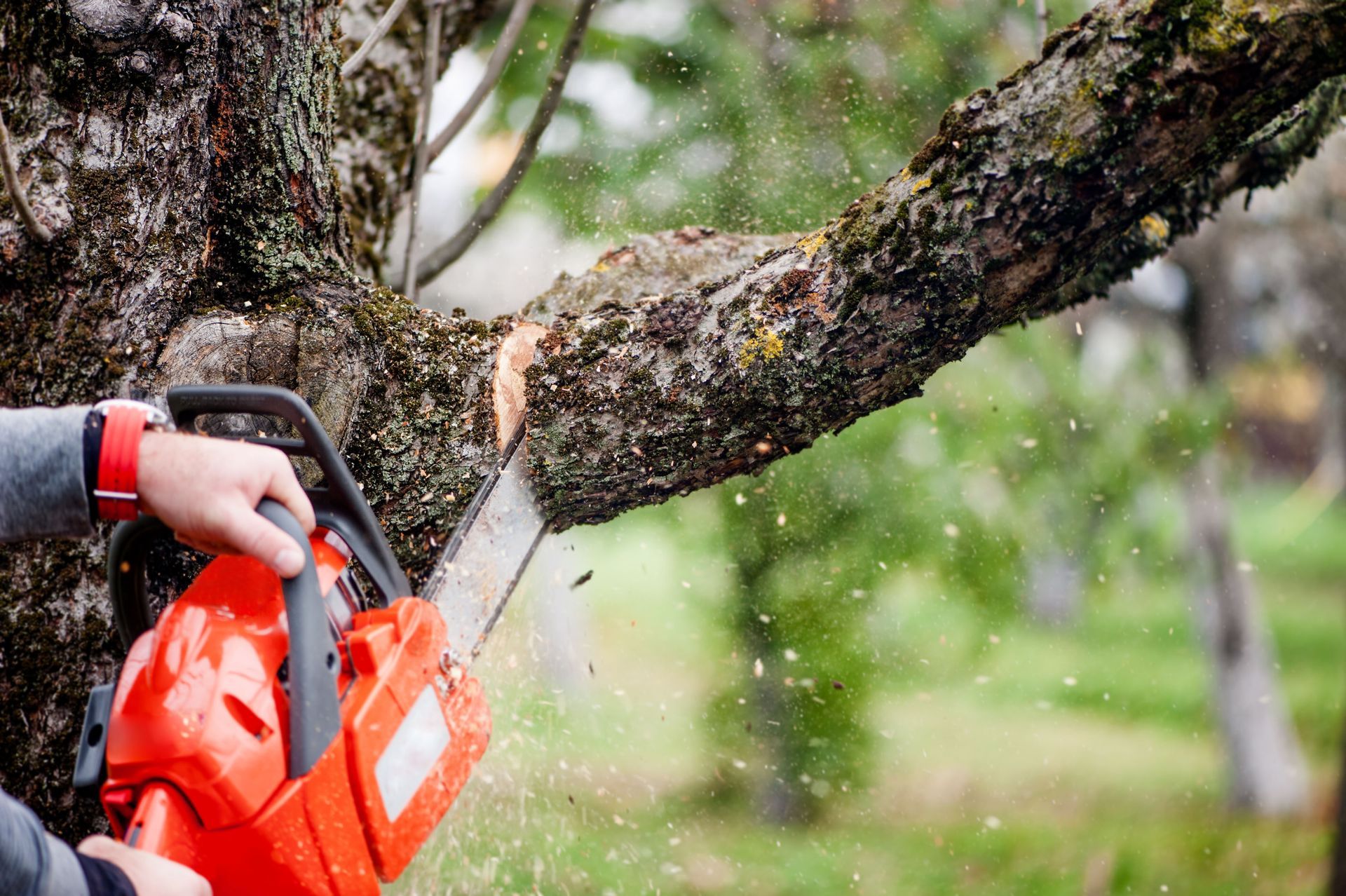
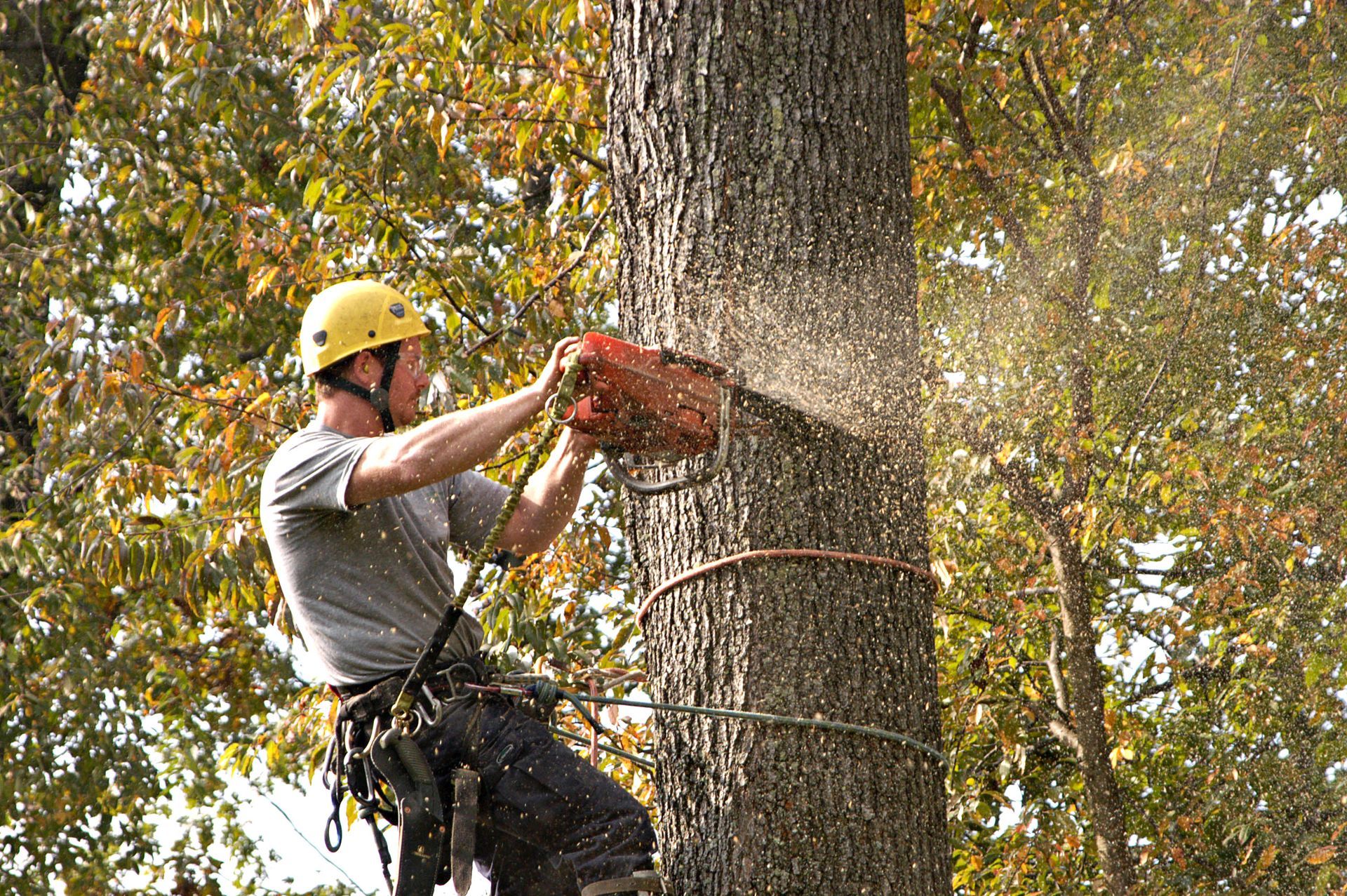
Timely tree removal is imperative for protecting property value, ensuring personal safety, and fostering a healthy environment. While some homeowners delay action out of concern for time or disruption, the reality is that removal is often more efficient than expected. According to This Old House, tree removal can take anywhere from as little as 15 minutes to several hours, depending on the size, condition, and location of the tree. This means addressing a hazardous or declining tree is often a manageable task rather than a prolonged ordeal.
By taking prompt action and hiring a professional tree removal company, homeowners protect their properties from preventable hazards, preserve their investment, and uphold neighborhood safety and appearance standards. Proactive tree management ultimately provides lasting benefits—delivering peace of mind, improved safety, and sustainable property value for years to come. For a professional
tree removal company you can count on, contact Pittsburgh Hydroseeding today.
Share On: