How Hydroseeding Helps With Erosion Control
Erosion can become a serious concern when soil is left exposed to rain, wind, and runoff. Bare ground may gradually wash away, especially on slopes, construction sites, and other areas where vegetation has been removed or disturbed. Establishing healthy ground cover is one way to help stabilize the soil and reduce the impact of moving water. Hydroseeding provides a method for applying seed, mulch, water, and other materials across large or difficult-to-reach areas. The mixture can help create conditions that support seed establishment while providing temporary coverage over exposed ground. The process can provide an efficient way to establish vegetation while addressing the challenges associated with bare soil. Understanding how hydroseeding supports erosion control can help property owners make informed decisions about protecting their land.
Covering Bare Soil More Evenly
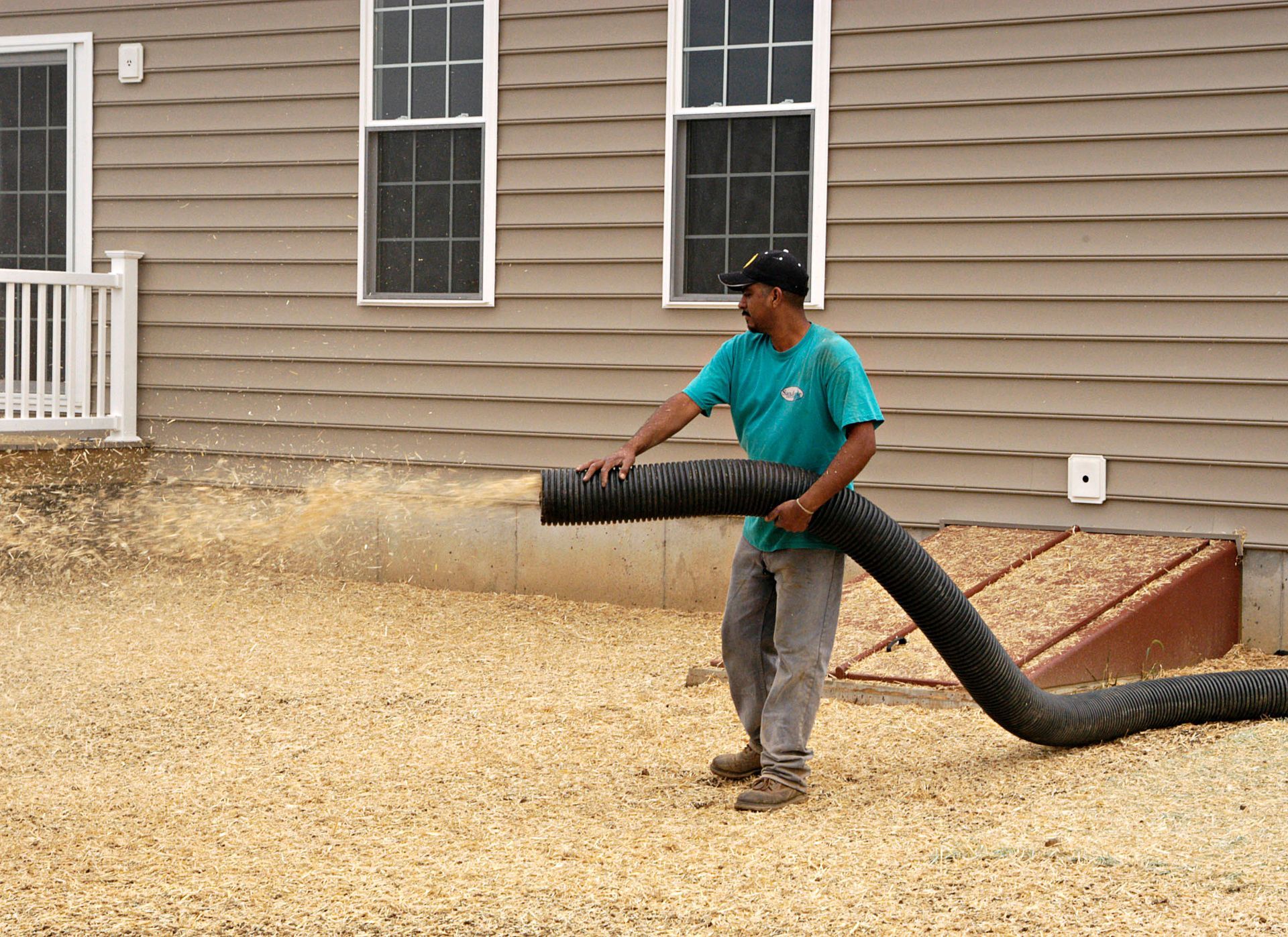
Exposed soil is more vulnerable when it has little protection from rainfall and surface runoff. Water striking bare ground can loosen particles and carry them downhill or into nearby drainage areas. Hydroseeding creates a slurry that can be applied across the surface to distribute seed and mulch more evenly. The mulch portion of the mixture provides temporary coverage while the seeds begin the establishment process. Hydroseeding companies can apply the material over large areas without requiring every section to be seeded by hand. This can be particularly helpful on properties where the terrain makes traditional seeding methods more difficult. More consistent coverage can help reduce the amount of completely exposed soil during the early stages of growth. Establishing vegetation as quickly as practical gives the property a stronger foundation for long-term soil stabilization.
Holding Soil in Place More Effectively
One of the primary goals of erosion control is to reduce the movement of soil across a property. As vegetation becomes established, plant roots can help hold soil together and create a more stable surface. Hydroseeding supports this process by helping distribute seed across the area that needs coverage. The mulch can also provide temporary protection while the vegetation develops. On sloped land, this early coverage may be particularly important because water naturally moves downhill and can carry loose material with it. Hydroseeding companies can help prepare and cover these areas according to the needs of the site. The effectiveness of the final result can depend on soil conditions, seed selection, weather, slope, and ongoing maintenance. However, creating ground cover is often an important step toward reducing continued soil loss.
Reducing the Impact of Rainfall
Rain can cause erosion even before significant runoff begins to move across a property. Individual raindrops can disturb loose soil and contribute to surface erosion over time. A hydroseeded mixture provides mulch that helps create a protective layer over the ground during the early stages of establishment. This coverage can reduce the direct impact of rainfall on exposed soil. As grass or other selected vegetation begins to grow, the developing plant cover can provide additional protection. The type of seed used should be selected based on the conditions and intended use of the property. Soil preparation can also influence how successfully vegetation becomes established after application. By combining seed with a protective growing medium, hydroseeding can support a more controlled approach to establishing coverage on vulnerable ground.
Supporting Vegetation on Sloped Areas
Slopes can present unique challenges because gravity increases the effect of water moving across the soil. Traditional seeding methods may be more difficult when workers must spread materials across uneven or steep terrain. Hydroseeding allows the mixture to be sprayed over the designated surface, making it useful for areas that are difficult to cover by hand. A hydroseeding companies team may evaluate the slope and determine the appropriate approach for applying the material. The mulch can help the seeds remain protected while they begin establishing themselves. As vegetation develops, the root systems can contribute to holding the soil in place. Successful growth may require proper site preparation and attention to watering conditions after application. When used as part of an appropriate erosion-control strategy, hydroseeding can help stabilize sloped areas with living ground cover.
Establishing Coverage Across Large Areas
Large properties can require significant time and labor when using traditional methods to establish grass or other vegetation. Applying seed manually across thousands of square feet may be difficult to complete evenly and efficiently. Hydroseeding provides a way to apply the seed mixture across broad areas in a relatively streamlined process. This can help create more consistent coverage when the site has been properly prepared. According to the information highlighted by Bob Vila, hydroseeding may become more cost-effective than other methods for projects beginning at approximately 3,500 square feet, although actual costs can vary based on local conditions and project requirements. Large lawns, open lots, and disturbed construction areas may all benefit from a method designed for broader application. Hydroseeding companies can help determine whether the size and condition of a property make this approach appropriate. Covering a large area efficiently can help reduce the amount of time soil remains exposed after preparation work is complete.
Creating a Protective Mulch Layer
The mulch used during hydroseeding serves an important purpose beyond simply carrying the seed to the ground. It helps create a temporary layer over the soil that can support moisture retention and provide protection from environmental conditions. This layer may be especially useful when the property is exposed to sunlight, wind, or rainfall. By helping maintain suitable conditions around the seed, the mulch can support the early stages of establishment. The specific mixture may vary depending on the project and the materials selected for the site. Proper application helps distribute the slurry across the intended area rather than leaving large sections uncovered. The protective layer is not a permanent replacement for established vegetation, but it can support the transition from bare ground to growing plant coverage. This makes mulch an important part of the overall hydroseeding process.
Encouraging Stronger Root Development
The visible growth above the soil is only one part of what makes vegetation useful for erosion control. Root systems play an important role by helping bind soil particles and improve surface stability. The goal of hydroseeding is not simply to create a green appearance but to establish vegetation that can continue developing over time. Seed selection should take the site's conditions into account, including climate, sunlight, soil characteristics, and the property's intended use. Hydroseeding companies may recommend an approach based on the needs of the specific area being treated. Once the seed begins to grow, proper watering and maintenance can support healthy establishment. Stronger vegetation may provide more lasting benefits than temporary surface coverage alone. Developing a healthy root system is an important part of creating longer-term protection against erosion.
Improving Coverage on Uneven Terrain
Not every property consists of flat, open ground. Uneven terrain, irregular shapes, ditches, embankments, and other features can make conventional seeding more complicated. Hydroseeding can be adapted to apply the mixture across surfaces that may be difficult to reach with other methods. This flexibility can help property owners address areas where bare soil could otherwise remain exposed. The application process can also make it easier to cover sections around existing landscape features or construction elements. Proper planning remains important because each area may have different drainage and soil conditions. A professional evaluation can help determine how the site should be prepared before the seed mixture is applied. Better coverage across challenging terrain can contribute to a more complete erosion-control strategy.
Helping Control Runoff Over Time
Erosion often becomes more severe when runoff repeatedly follows the same path across exposed ground. Over time, this movement can create channels, remove soil, and change the appearance of the landscape. Establishing vegetation can help slow water as it moves across the surface. The growing plant cover may reduce the amount of direct contact between flowing water and loose soil. Hydroseeding companies can provide an efficient method for establishing this type of coverage over areas that need protection. However, severe drainage problems may require additional solutions beyond vegetation alone. Swales, drainage systems, retaining features, or other measures may also be necessary depending on the property. Hydroseeding can be one part of a broader plan designed to improve how the site manages water and protects its soil.
Protect your property before erosion causes further damage. Contact Pittsburgh Hydroseeding today to learn how experienced hydroseeding companies can help establish healthy ground cover and support effective erosion control.
Share On: