How to Decide Between Tree Trimming and Tree Removal
Property owners often face a difficult decision when managing mature greenery around their homes or commercial properties. Large trees provide shade, improve curb appeal, and add value, but they also require ongoing oversight to remain safe. When a tree shows signs of decline or instability, you must decide whether pruning will help or if full removal is necessary. Making the wrong choice can mean losing a healthy tree or leaving a dangerous hazard near your home. This guide covers ten key factors to help you make the right decision.
Assessing the Overall Structural Integrity of the Trunk
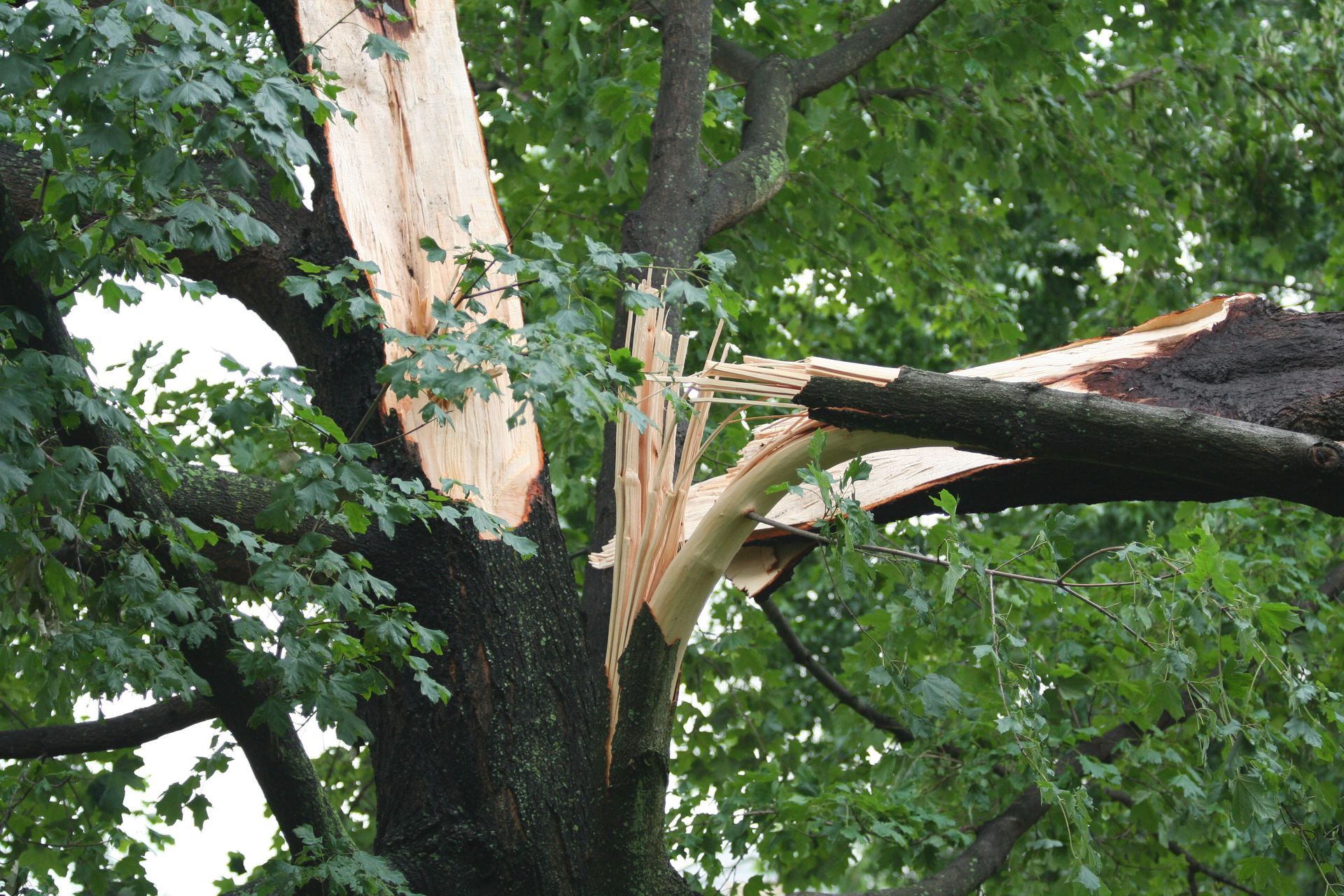
The trunk supports the entire structure. Look for deep cracks, large cavities, or bark loss. If more than half the circumference is damaged, the tree may struggle to move nutrients and stay stable. Experienced tree removal companies can determine whether internal decay has become too severe for maintenance. If the core wood is hollow or soft, pruning branches will not solve the problem. In serious cases, consulting certified tree removal companies is the safest way to prevent storm-related failures. A compromised main stem creates an unpredictable hazard that endangers nearby structures and power lines. Prioritizing a professional evaluation ensures that structural flaws are identified before an unexpected collapse occurs.
Evaluating the Percentage of Dead or Damaged Branches
A healthy canopy should contain strong branches and full foliage. Some dead limbs are normal and can usually be removed with routine pruning. However, if more than half the canopy is bare or brittle, the tree may be in serious decline. Professional tree removal companies can determine whether the issue is treatable or if the structure is failing. When most of the canopy is dead, falling limb risks rise sharply, causing local tree removal companies to recommend removal instead of trimming. If you notice these warning signs, it is vital to act quickly before severe weather turns a weak branch into a costly property hazard. Booking a professional assessment will give you a clear, expert recommendation on whether your tree can be saved or if it needs to be safely taken down.
Determining the Presence of Internal Rot and Fungal Growth
Mushrooms, conks, and bracket fungi near the trunk base often indicate internal rot. Their presence means the wood fibers are decomposing. Trimming branches will not stop internal decay. Trusted tree removal companies can assess how much sound wood remains. According to This Old House, removing a tree can take anywhere from 15 minutes to a few hours, with the exact duration relying heavily on the tree's size and species. When fungal decay has hollowed the lower trunk, reputable tree removal companies will recommend removal to prevent sudden collapse.
Analyzing the Angle and Stability of a Sudden Lean
Trees sometimes develop slight natural leans while growing toward sunlight. A sudden lean after heavy rain or wind, however, signals danger. This often means roots are breaking or lifting from saturated soil. Cutting branches to offset weight rarely solves root failure. Local tree removal companies should inspect the area immediately. If the root plate is compromised, emergency tree removal companies may need to remove the tree before it falls onto nearby structures. Ignoring a shifting root system can result in sudden, catastrophic property damage or severe injury during the next minor storm. Contacting a certified arborist right away ensures a proper risk assessment and helps you secure the necessary emergency permits before the tree completely gives way.
Investigating Extensive Root System Damage and Soil Disruption
A tree is only as stable as its roots. Root damage often happens during construction, utility work, or driveway installation. If major anchor roots are cut, the tree loses critical support and moisture access. Pruning cannot repair severe underground damage. Knowledgeable tree removal companies can evaluate how much structural stability remains. If anchors are gone, professional tree removal companies will explain that removal is the safest option. Taking swift action to address these compromised anchors prevents a hidden underground issue from turning into a sudden and costly above-ground disaster.
Identifying Severe Pest Infestations and Boring Insects
Pests like bark beetles and wood borers can rapidly weaken trees by disrupting water and nutrient flow. Early infestations may respond to treatment and selective pruning, but advanced infestations leave brittle, unsafe wood behind. Professional tree removal companies recognize signs like exit holes, sawdust, and canopy thinning. When structural integrity is severely compromised, established tree removal companies will recommend removal to protect nearby healthy trees. Proactively addressing these invasive pests not only removes a falling hazard from your yard but also creates a vital barrier that stops the infestation from spreading throughout your entire landscape.
Checking Proximity to Power Lines and Overhead Utilities
As trees grow, branches may reach power lines or communication cables. Contact with electrical wires creates fire hazards and increases outage risks. Repeated utility pruning can also leave a tree misshapen and unbalanced. If a fast-growing species sits directly under high-voltage lines, long-term maintenance may not be practical. Experienced tree removal companies can help determine whether removal makes more sense. Working with tree removal companies also allows you to replace risky trees with smaller alternatives better suited for utility areas.
Assessing Encroachment on Home Foundations and Structural Footings
Aggressive root systems can damage foundations, sidewalks, and underground plumbing. Expanding roots may crack concrete, create trip hazards, or invade aging sewer lines. Trimming branches will not stop root expansion. Experienced tree removal companies can evaluate whether root barriers are possible or if full removal is necessary. When foundations are actively cracking, professional tree removal companies often provide the most reliable solution. Taking decisive action to manage these invasive roots ensures your home's structural integrity is protected before minor cracks escalate into catastrophic and costly repairs.
Evaluating the Overall Health History of the Specimen
Some trees suffer from chronic weaknesses or poor structural growth patterns. If storm cleanup becomes a regular issue, the tree may have an inherently unstable structure. Species with narrow branch unions are especially prone to splitting. Constant repairs with cables and trimming can become costly. Full-service tree removal companies can assess whether long-term preservation makes sense. Investing in professional tree removal companies can create a safer, more predictable landscape.
Considering the Aesthetic Value and Landscape Space Requirements
Sometimes the decision comes down to yard design and available space. A fast-growing tree may block sunlight from gardens, lawns, or solar panels. Selective pruning may improve light access, but severely overcrowded trees can continue causing problems. Working with reputable tree removal companies can help you rethink your landscape. Removing a poorly placed tree can create room for healthier growth and a more balanced outdoor space.
Deciding whether to preserve a mature specimen through selective trimming or to eliminate it completely is an important choice for your property's safety and appearance. Pruning works well for minor corrections, but it cannot fix deep rot, root failure, or severe structural lean. Watching for warning signs like trunk cavities, peeling bark, and dying canopies helps prevent costly damage. Partnering with a skilled team ensures safe and effective decisions. Once clearing is complete, you can focus on restoring the beauty of your landscape. Reach out to Pittsburgh Hydroseeding today to discover professional seeding solutions that will establish a thick, beautiful lawn across your newly cleared landscape space.
Share On: