How Tree Removal Can Improve Your Landscape's Health
A healthy landscape depends on balance, proper maintenance, and thoughtful planning. While trees are often one of the most valuable features on a property, there are times when removing one can benefit the entire outdoor environment. Dead, diseased, overcrowded, or poorly placed trees can create problems that affect nearby plants, soil quality, sunlight exposure, and overall safety. In these situations, tree removal is not simply about clearing space. It can be an important step in supporting stronger growth and improving the long-term condition of your yard. Property owners who understand when removal is necessary are often better positioned to protect the beauty and health of their landscapes.
When one unhealthy or misplaced tree begins competing with the rest of your yard, the effects can spread farther than many people realize. Grass may struggle to grow, shrubs may receive too little sunlight, and nearby trees may have to compete for water and nutrients. In some cases, roots can interfere with surrounding plants and hardscape, while weak branches or structural instability create risks during storms. That is why many property owners consult experienced tree removal companies when evaluating how to improve their landscape. Removing the right tree at the right time can help open the way for healthier growth, better use of space, and a more attractive outdoor setting.
Reducing Competition for Resources
Trees need sunlight, water, nutrients, and space to grow properly, but not every landscape has enough of those resources to support every plant equally. When a large tree dominates a yard, it can absorb a significant share of moisture and nutrients from the soil, leaving less available for grass, flower beds, shrubs, and even neighboring trees. Thick canopies may also block sunlight from reaching the plants below, making it harder for other parts of the landscape to thrive. In crowded settings, one struggling or oversized tree can prevent the rest of the yard from reaching its full potential.
Removing a tree that is overgrown, declining, or planted too close to other features can help restore balance throughout the landscape. With less competition for resources, surrounding plants often have a better chance to grow stronger and healthier. Lawns may fill in more evenly, ornamental plants may receive more light, and younger trees may develop with less stress. Experienced tree removal companies can help determine whether a particular tree is limiting the health of the rest of the property and whether removal would support more sustainable growth across the entire landscape.
Improving Sunlight and Airflow
Sunlight and airflow play a major role in the health of any landscape. When a tree grows too large or is positioned in a way that heavily shades the yard, it can create damp, crowded conditions that limit healthy plant growth. Grass may become thin or patchy, flowers may fail to bloom as expected, and moisture may linger in shaded areas longer than it should. Poor airflow can also contribute to mildew, fungal growth, and other issues that make it harder for plants to stay healthy. While shade can be beneficial in some areas, too much of it can create imbalance across the landscape.
Removing a tree that blocks essential light or restricts air movement can improve growing conditions throughout the property. More sunlight can reach the lawn and garden beds, while better airflow can help reduce excess moisture and support healthier soil conditions. The result is often a landscape that looks fuller, cleaner, and easier to maintain. Property owners who work with professional tree removal companies can make more informed decisions about which trees are helping the yard and which ones may be preventing other plants from thriving as they should.
Protecting the Soil and Surroundings
Tree roots can have a significant effect on the condition of the soil and the structures around them. In many cases, healthy roots stabilize the ground and support the surrounding environment. However, when a tree is too large for its location or is in decline, its roots may begin causing problems. They can compete aggressively with nearby plants, disrupt irrigation patterns, crack sidewalks, lift patios, and interfere with driveways or retaining walls. In addition, a dead or dying tree may stop contributing positively to soil health while continuing to occupy valuable underground space that other plants need.
Removing a problematic tree can help reduce pressure on both the landscape and nearby hardscape. It may create opportunities to repair compacted or disrupted soil, improve drainage patterns, and redesign planting areas more effectively. A healthier foundation below the surface often leads to stronger results above it. Professional tree removal companies understand how root systems, grading, and tree placement affect the broader landscape, which makes their input valuable when a tree appears to be doing more harm than good to the property’s overall condition.
Eliminating Safety and Storm Risks
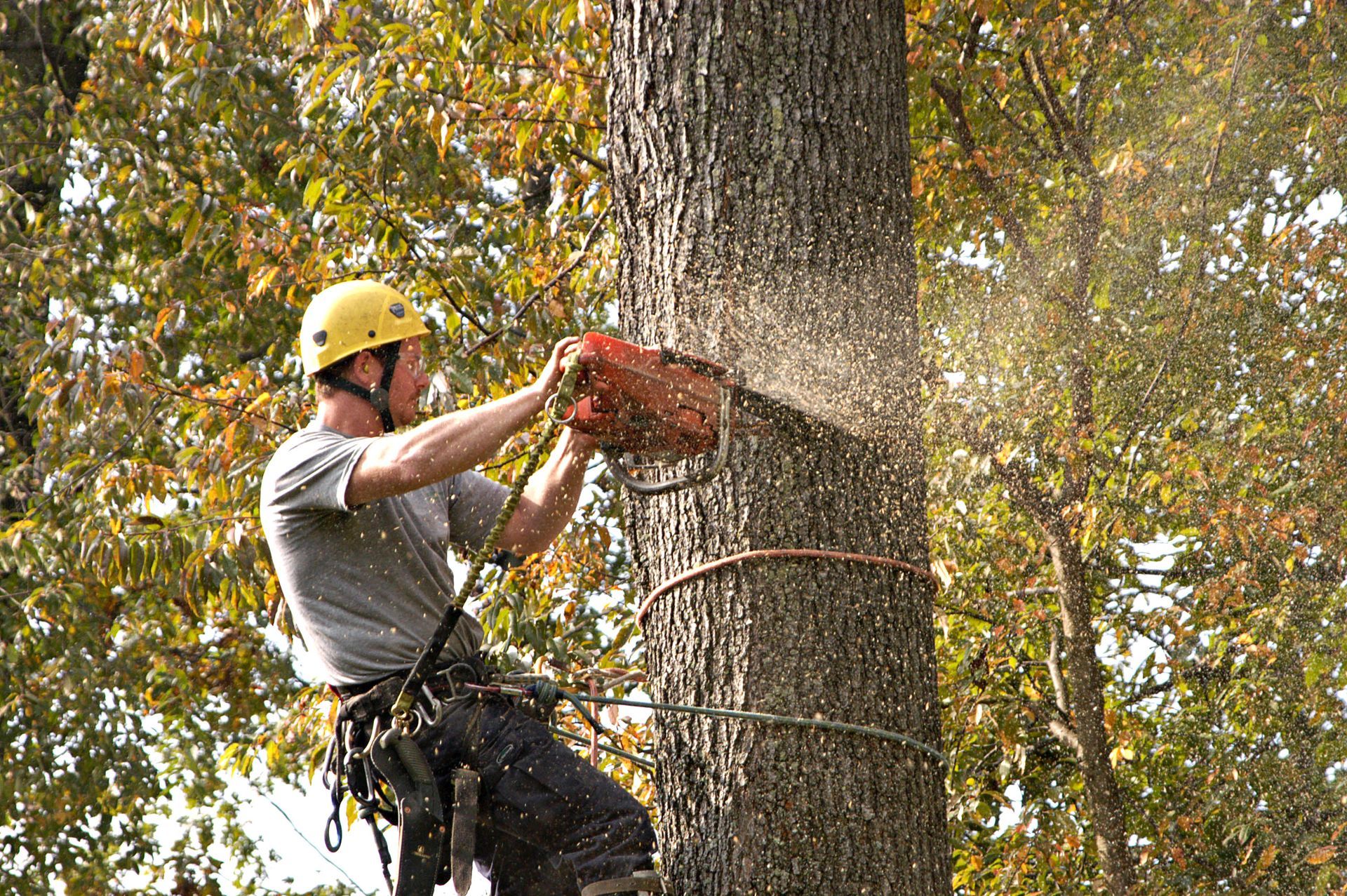
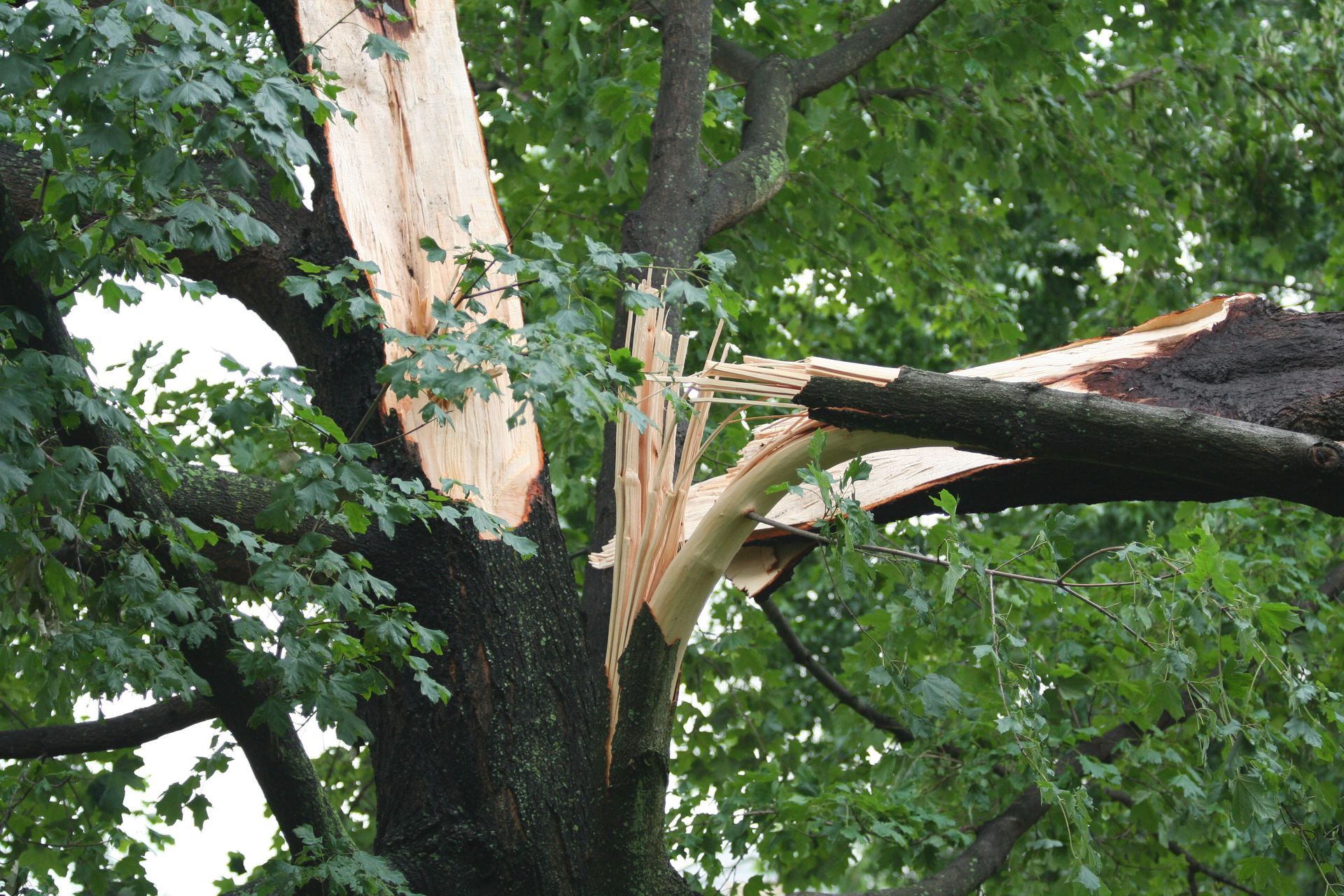
A tree does not have to be completely dead to become a serious concern. Structural weakness, split limbs, hollow sections, leaning trunks, and storm damage can all increase the risk of falling branches or complete failure. These hazards can threaten homes, fences, parked vehicles, walkways, and nearby plants. Even when the goal is landscape health rather than emergency removal, safety is still an important part of the conversation. A tree that is unstable can damage the very yard you are trying to improve, especially during strong winds, heavy rain, or winter weather.
Taking down a dangerous tree can protect the rest of your landscape from sudden damage and reduce stress about what may happen during the next storm. It can also prevent broken limbs from crushing garden beds, tearing up turf, or damaging nearby trees and shrubs. According to Bob Vila, the cost of tree removal can vary by 25% to 50% depending on the tree’s location and how accessible it is. While cost is an important factor, delaying the removal of a hazardous tree can sometimes lead to even greater expenses if property damage occurs. That is why many homeowners turn to qualified tree removal companies to address risks before they become emergencies.
Creating Space for Future Growth
Sometimes the health of a landscape improves not because something was added, but because something unhealthy or misplaced was removed. A poorly located tree can limit design possibilities, crowd developing plants, and prevent property owners from using their outdoor space as effectively as they would like. If a tree has outgrown its setting or no longer fits the long-term goals for the yard, removing it can create room for healthier planting choices and more intentional landscape design. This may include new turf, garden beds, young trees, privacy plantings, or improved drainage solutions.
Opening up space can give the rest of the property a chance to develop in a more balanced and attractive way. It allows you to invest in features that better match the soil, sun exposure, and scale of the area. Over time, this can lead to a stronger and more cohesive landscape that is easier to maintain and better suited to your needs. Property owners who consult knowledgeable tree removal companies are often better able to decide when removal is the right first step toward a healthier and more functional outdoor environment.
Tree removal can be an important part of improving your landscape’s health when a tree is diseased, overcrowded, unstable, or no longer suited to its location. By reducing competition for water and nutrients, limiting the spread of disease, improving sunlight and airflow, protecting the soil, and creating space for new growth, removal can support the long-term condition of your property. Rather than thinking of tree removal as a loss, it can be more helpful to view it as a strategic investment in the health, appearance, and usability of your outdoor space.
If your property has a tree that may be interfering with the health or safety of your landscape, it may be time to take a closer look at your options. Working with professional tree removal companies can help you make informed decisions about what should stay, what should go, and how to support stronger growth moving forward. To learn more about improving your outdoor space, contact Pittsburgh Hydroseeding today.
Share On: